
Workshops, Dialogues & Fieldnotes
Teaching, researching and reflecting from the field
We are architects and researchers, each engaged in specific fields of inquiry, from housing and heritage-making in Morocco, to mosque typologies and public spaces in Belgium.
For us, research is not separate from design: it informs our projects, sharpens our tools, and opens new ways to act.
This page gathers the work we do beyond design briefs:
→ collaborative studios, exploratory workshops, and situated pedagogy;
→ talks, roundtables and public interventions;
→ fieldnotes and images that trace how we move through space, listen and learn.
It’s our way of building a culture of architecture that is curious, critical, and grounded in context.
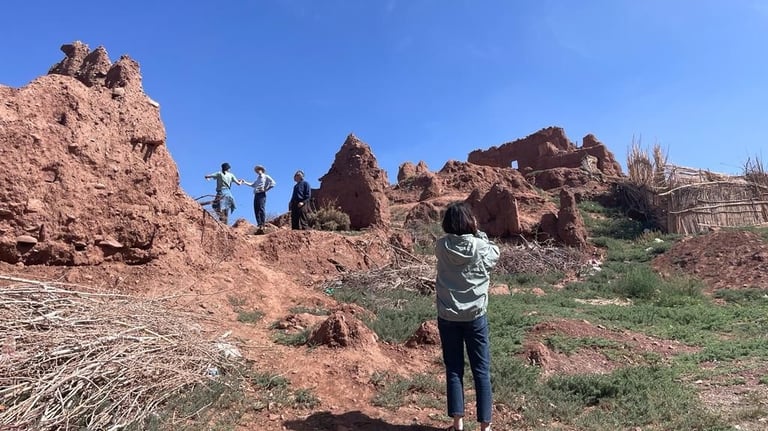
Télouet (High Atlas) Workshop | 2023
Dwelling, territory & rural transformation


Worskshops & Studios
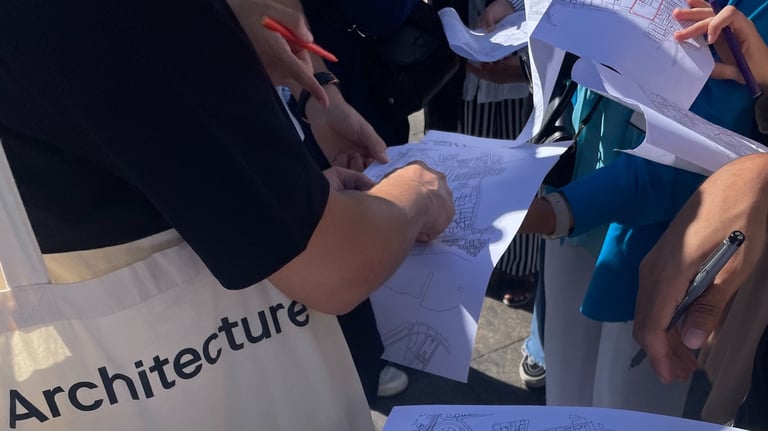
Rabat Medina Studio | 2024
Public space, mapping & field engagement
Typology study | Teaching format
Learning from 20th-century housing icons
We develop studio formats that link research, pedagogy and place.
Through field visits, mappings, model-making or collective discussions, we explore how teaching can be hands-on, open-ended and deeply connected to context.
Each encounter becomes a space of learning, for students, for us, and for the communities involved.
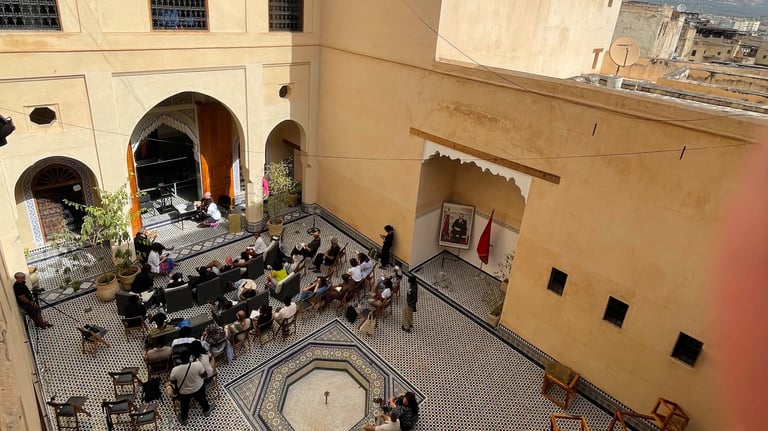
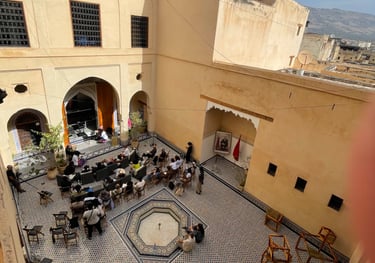
African Nomadic Studio | Fez, 08.2025
Jury member & speaker “On Translation”
Organised by African Future Institute

Talks, Conferences & Public Engagement
We regularly take part in public conversations, academic forums and professional events.
Whether through invited talks, juries, interviews or roundtables, we see these moments as chances to reflect on our work and engage in collective thinking, across scales, sectors and geographies.
Parlons développement | Zagora, 11.2025
Panel on development & cultural heritage
UNDP, Policy Center for the New South, World Bank
"Cities that listen" | Interview
Co-creating urban futures with people at the center
Read the interview in Mayors of Europe
“So yes,
we need to strengthen both sides:
citizens and institutions.
Only then
can we move
from good intentions
to meaningful change.”
Rethinking from the Ground ma+su Fieldnotes
We write to reflect, to question, to make sense.
Here, we share fragments, shaped by places, encounters, and ongoing work.
Short texts, written along the way, to think through what we do. And why.
This space will grow over time, as our paths cross new questions, new urgencies.
On Translation
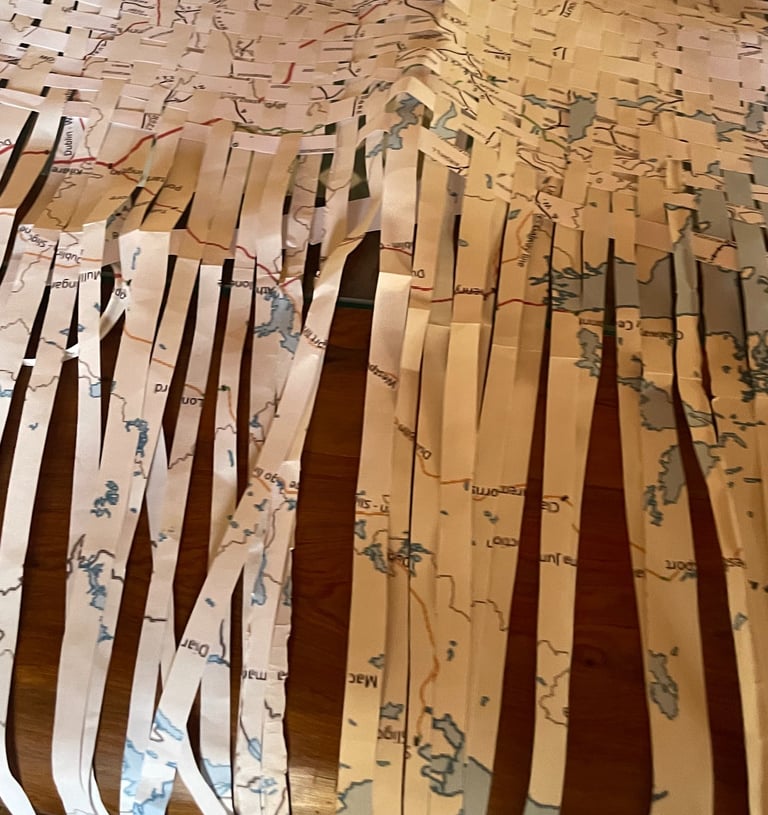
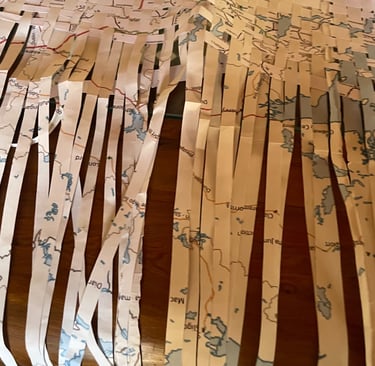
Where architecture speaks in between things: memory, language and belonging.
Re-inhabiting the World
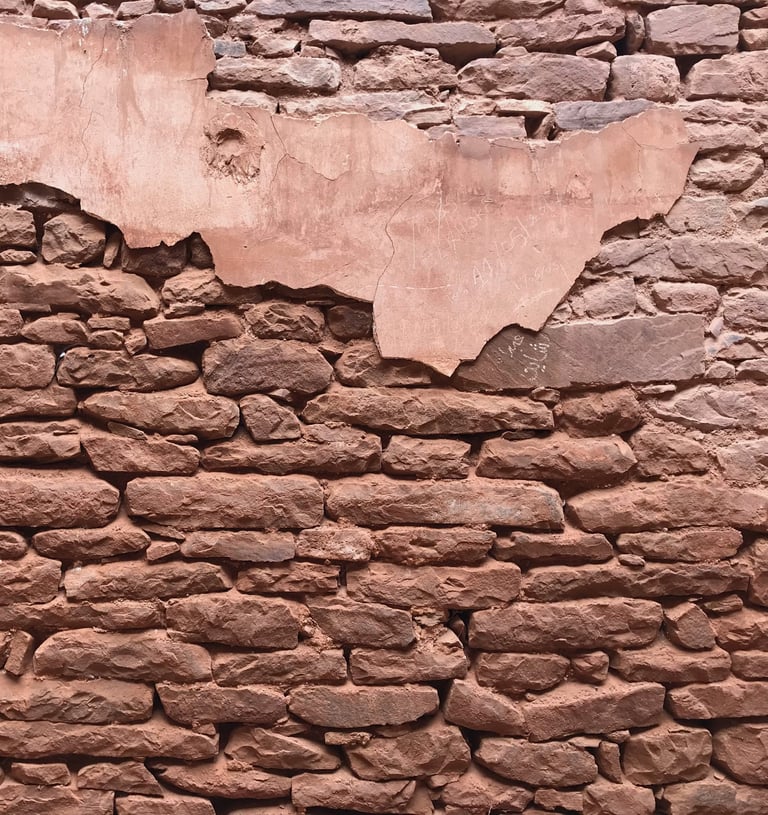
Between clarity, joy, and limits:
a quiet manifesto for essential architecture
Rooms, Thresholds, Futures

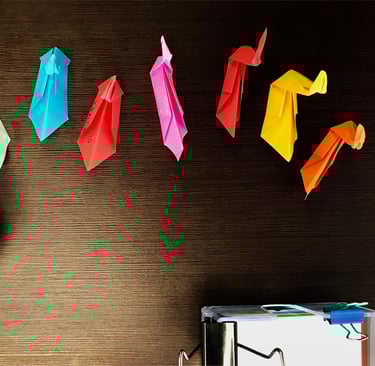
Building forward from care, memory and material intelligence.
On Translation
What does it mean to translate?
Not just between languages, but between places, voices, and ways of knowing?
Translation is not perfection.
It’s negotiation. It’s building bridges that hold.
And when the subject is home [the place you grew up, the people you belong to] translation becomes even more complex.
As Moroccan anthropologist Hassan Rachik writes, working “at home” as a researcher means
being too close to be distant, too familiar to be neutral.
Translator and betrayer. Traduttore, traditore.
Trust has to be earned.
We’ve learned to translate everyday life:
between practice and imagination,
between silence and speech,
between architecture and those who live it.
Translation isn’t literal.
It’s respect.
It’s the attempt to speak with, not over.
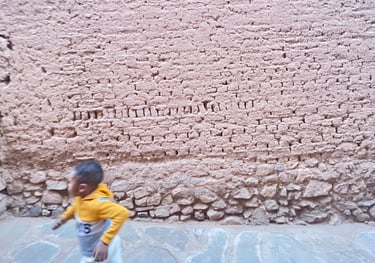
In Fez’s medina, the space between things is almost palpable:
between old and new, between lived memory and projected futures.
We moved through these in-between spaces
– from maps to poetry, from memory to performance –
guided by voices that challenge architecture’s limits:
as a discipline, as a power structure, as a language.
What stays with us is not a definition, but a feeling:
that the real work lies between.
Between disciplines. Between scales. Between certainties.
Between what we inherit, and what we choose to carry forward.
Fez, August 2025
_________________________________________
« L’aspect du monde pour nous serait bouleversé si nous réussissions à voir comme choses les intervalles entre les choses. »
Maurice Merleau-Ponty (1908-1961 | Philosopher)
Re-inhabiting the World
Something feels broken.
The world is louder, faster, and yet strangely uninhabited.
We build, we extract, we expand.
But we forget to dwell.
We forget to listen, to settle, to measure.
To live with.
We call it development, or progress…
but it’s often the opposite.
Concrete is poured over memory.
Grounds are sealed where water no longer sinks.
Landscapes become backdrops.
The logic is disembodied, ineffective, and yet somehow still dominant.
So what now?
Degrowth.
A difficult word for many, yet an essential path.
Not collapse, not withdrawal,
but clarity, justice, humility.
Building less, but better.
Using what already exists: materials, knowledge, traces.
Designing for sufficiency, not accumulation.
Philosopher Dominique Bourg reminds us that we must stop living off nature,
as if depleting a resource,
and instead learn to live within it, or even as nature.
What role for architects, here?
Perhaps it is to resist the rush.
To give form to the essential.
To hold space for slowness and breath.
To help re-inhabit the world; not dominate it.
No guilt,
no old certainties.
But a sincere hope and a true vision, from clarity, from depth.
From choosing to draw slower, to listen longer, to build with care.
Because there’s still time,
and joy,
and meaning
in doing so.
Rabat, June 2025
_________________________________________
« La voie de la décroissance n’est ni le refus ni l’acceptation du monde.
Elle est le refus et l’acceptation.
Il convient de refuser le monde (l’immonde) de l’économie de croissance et d’accepter la vie comme une joie, selon la formule de William Morris.
La décroissance sera joyeuse ou ne sera pas. »
Serge Latouche (1940 | Economist)
Rooms, Thresholds, Futures
In the ksour of southern Morocco,
rooms carry memory, and thresholds shape belonging.
The architecture speaks quietly, in gestures, not in plans.
Walls breathe. Patios hold light.
Traces of care are everywhere.
Those quiet acts, forms and thoughts that hold places together.
But a quiet truth remains:
living in a ksar is still often seen as a step behind,
while nearby concrete expansions underperform
and fail to offer comfort or contextual relevance.
At ma+su, we believe the way forward
isn’t to freeze the past, or mimic it.
It’s to project.
To upgrade existing dwellings with precision, lightness, and respect.
To design new, affordable, climate-fit quarters using earth, stone, and their hybrids.
Without pastiche, but with clarity.
For us, there is no contradiction between heritage and modern life.
We must relearn how to build with what’s already here:
in materials, in gestures, in knowledge.
Restore dignity to traditional crafts.
Invent new forms of continuity.
Call it robust modernity:
diverse, adaptable, rooted, and able to last.
This perspective won’t come from nostalgia,
but from the young.
From those who live the landscape with open eyes and practical hope.
They don’t carry the weight of past.
They carry futures.
There is still so much left to do,
but we step into the dance, fully and graciously.
Draa Valley, November 2025
_________________________________________
مازال في بيوتكم حصيرةٌ.... وبابْ
سدوا طريق الريح عن صغاركم
ليرقد الأطفال
الريح بردٌ قارسٌ .. فلتغلقوا الأبوابْ...
محمود درويش، "أمل" (2008-1941 | كاتب و شاعر)